
Types of Roofs Most Susceptible to Moss Growth in the Pacific Northwest
- Brandon Hartz
- Aug 5
- 4 min read

Types of Roofs Most Susceptible to Moss Growth in the Pacific Northwest
Not every roof in Vancouver WA grows moss at the same speed. Some materials and designs seem to attract it almost immediately, while others stay relatively clean for years even in the same neighborhood. If you’ve ever wondered why the house next door stays moss-free while yours turns green every winter, the type of roof is usually a big part of the answer.
I’ve been cleaning roofs across Clark County since 2020 (ProSoaks since 2022), and I’ve seen clear patterns. Certain roofs consistently develop heavier growth, especially in shaded areas. Understanding which types are most vulnerable helps you know what to watch for and how aggressive your maintenance plan should be.
Asphalt Shingle Roofs – The Most Common and Most Susceptible
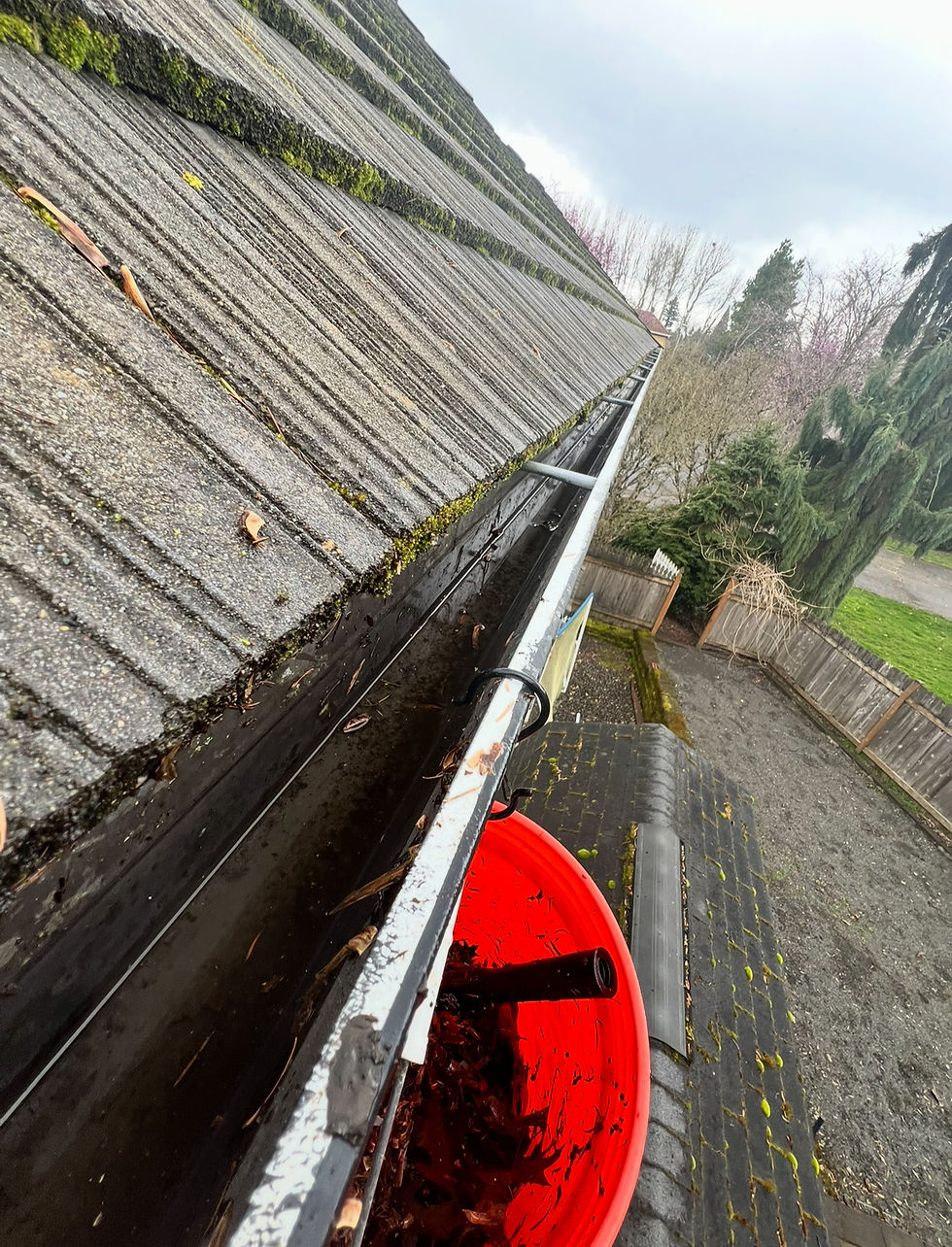
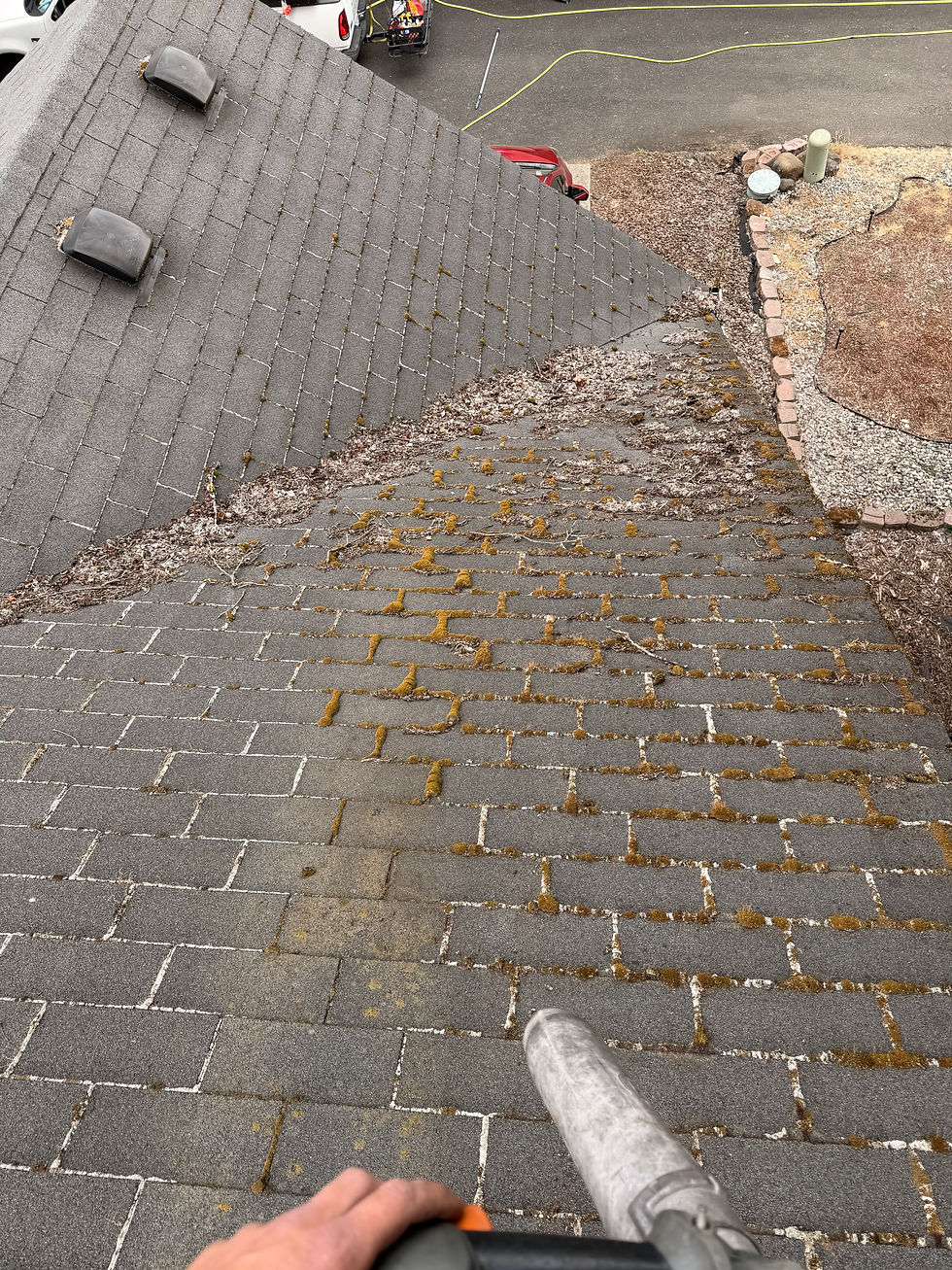
Asphalt shingles make up the majority of roofs in Vancouver WA, and they are by far the most prone to moss. The textured surface gives moss an easy place to grip, and the limestone fillers in many shingles actually provide nutrients that help it grow. Once a small patch takes hold, it spreads outward by trapping more moisture and debris.
North-facing and heavily shaded sections almost always show the worst growth. In neighborhoods with lots of trees, I’ve seen asphalt roofs develop thick moss within two years if nothing is done. The combination of our wet winters and the material itself creates ideal conditions.
Cedar Shake and Shingle Roofs
Cedar roofs look beautiful when they’re new, but natural wood holds moisture and provides organic material that moss loves. In shaded areas, cedar can develop thick, heavy growth relatively quickly. The rough texture of shakes and shingles gives moss plenty of surface to attach to, and once it gets established it can be stubborn.
Cedar roofs in places like Felida, Salmon Creek, and older parts of Vancouver often need more frequent attention than asphalt roofs in sunnier locations. Left alone, the moss can hold water against the wood for long periods, which isn’t ideal for the long-term health of the roof.
Concrete and Clay Tile Roofs
Tile roofs are more durable than asphalt in many ways, but they are not immune to moss. The grooves, valleys, and low spots collect debris and moisture. Moss tends to grow in those protected areas first and can spread along the edges and between tiles.
Because tile is heavier and more rigid, the moss itself doesn’t damage the material as quickly as it can on asphalt. Still, thick growth can trap water and create ongoing maintenance issues if it’s ignored for years.
Low-Slope and Flat Roofs
These roofs stay wet longer after rain because water doesn’t shed as quickly. That extended moisture creates excellent conditions for both moss and algae. Even light debris can hold water in place for days, giving growth a strong foothold.
Low-slope and flat roofs in commercial and some residential settings around Vancouver often show green or black growth more consistently than steeper roofs in the same climate.
Metal Roofs – Generally More Resistant
Metal is one of the more moss-resistant options in our climate. Smooth surfaces don’t give moss as many places to attach, and water tends to sheet off more effectively. That said, moss can still grow in seams, around fasteners, under debris, and in any area that stays shaded and damp.
I’ve cleaned metal roofs that had noticeable growth, but it is almost always less severe and easier to manage than what I see on asphalt or cedar under similar conditions.
What Makes Any Roof More Vulnerable
Regardless of material, certain conditions dramatically increase moss growth:
Heavy tree cover and persistent shade
North-facing exposure
Poor drainage or chronically clogged gutters
Lack of regular maintenance
Accumulation of pine needles, leaves, and pollen
When several of these factors combine, even a more resistant roof material can develop significant growth over time.
Real Local Example
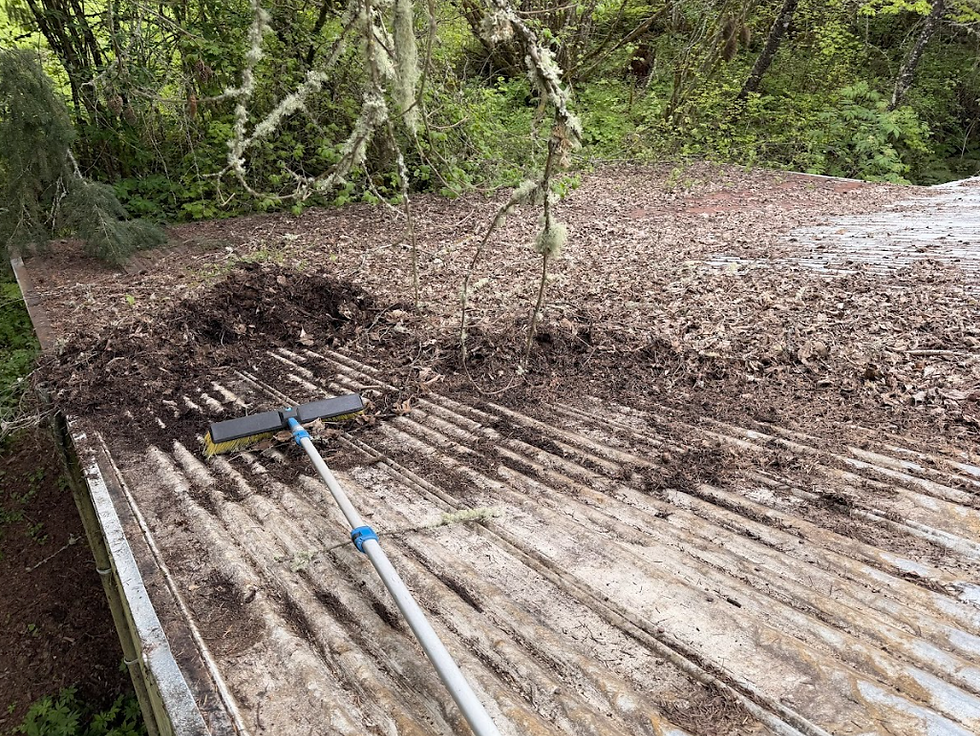
I regularly clean asphalt shingle roofs in Vancouver and Camas that develop heavy moss within two years when left alone. In the same neighborhoods, homes with metal roofs under similar tree cover usually show far less growth. The difference in material is obvious once you’re on the roof. One homeowner in Camas switched from an old asphalt roof to metal and told me the moss problem dropped dramatically compared to what he dealt with before.
What You Should Do Based on Your Roof Type
If you have an asphalt or cedar roof in a shaded area, plan on more frequent inspections and cleaning. Tile and metal roofs can often go longer between cleanings, but they still benefit from periodic attention—especially in the valleys and debris-prone spots.
Early soft washing is almost always cheaper and more effective than waiting until growth is thick. High-pressure methods can damage certain materials, which is why we use low-pressure soft washing adjusted for each roof type. This approach removes the moss at the root without harming the surface.
We back every job with our 3-year moss-free guarantee. That gives homeowners peace of mind no matter what type of roof they have.
Final Thoughts
In the Pacific Northwest, asphalt and cedar roofs tend to grow moss the fastest, followed by tile and low-slope designs. Metal is generally the most resistant, though no roof is completely immune when shade, moisture, and debris are present.
Knowing your roof type helps you set realistic expectations and a smarter maintenance schedule. If you’re not sure how vulnerable your particular roof is, or if you’re already seeing growth, the best next step is a professional look.
Text or call ProSoaks at (360) 975-1102. I’ll come take a free look, tell you honestly what I see, and recommend the right approach for your specific roof. We treat every home like family and every roof better than our own.
Last updated: August 2026 ProSoaks – Vancouver WA roof cleaning and soft washing experts. Damage-free guarantee and 3-year moss-free warranty since 2022. Vancouver WA, Portland OR too.


Comments